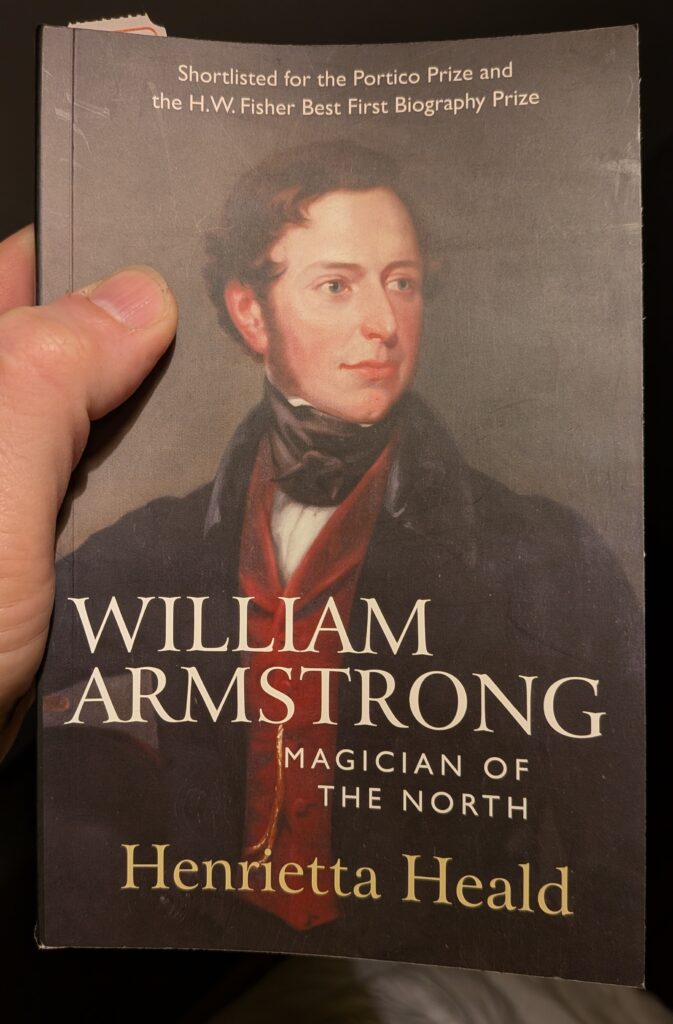
On the way home from a fabulous visit to Northumberland in gorgeous sunny weather, we stopped at Cragside on the way home. The country estate of Victorian engineering magnate William Armstrong was pretty much my dream house, so I bought his biography with the hope some of his success would rub off.
Armstrong was a scientist and engineering genius, who pioneered a hydraulic pump for driving large cranes, swing bridges and other heavy machinery by water power. This invention kicked off his early business empire, such was the demand from ports and the rapidly expanding railway industry.
Truly global growth followed from an optimised artillery gun Armstrong designed, inspired by British military needs in the Crimean War. He improved the then state of the art – heavy, muzzle-loaded, round projectiles – by instead employing a rifled barrel, pointed projectiles, and breech loading. These innovations resulted in long range, greater accuracy, faster loading, and a lighter weight. An artillery gun with such huge advantages sold itself, and not only did the British government buy from Armstrong, it gave him permission to export to countries all over the world – dependency on British arms was a strategic advantage.
Armstrong went on to build bridges and warships, becoming one of the richest men in Europe. At peak, he employed a quarter of the population of Newcastle, and was renowned for his intelligence, drive, and curiosity.
He bought swathes of land in Newcastle and created Jesmond Dene, eventually donating this park to the city. And he built his dream county estate at Cragside, a magnificent arts and crafts mansion full of his innovations; hydroelectric powered lights (a world first), hydro-powered lifts and other labour-saving devices, and early central heating.
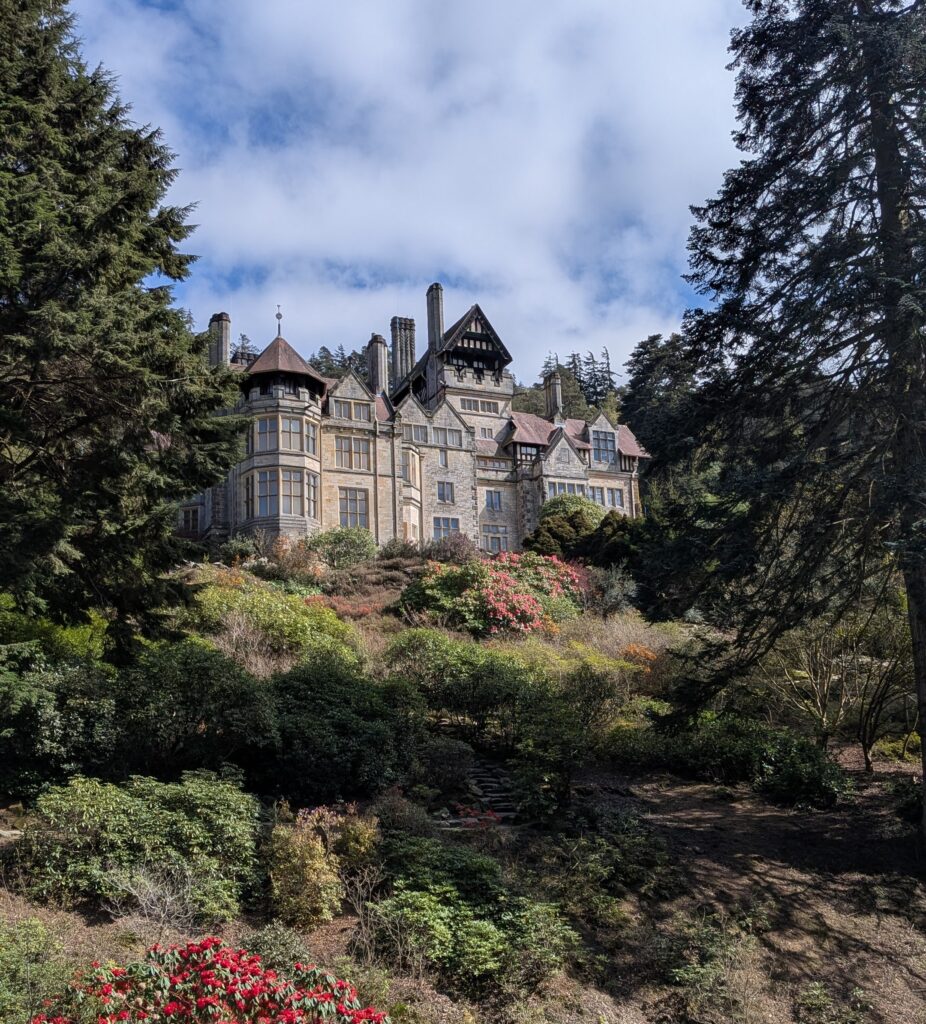
The house sat in 11,000 acres on which Armstrong and his equally impressive wife landscapes by planting 7 million trees and shrubs – which now mature apparently have changed the local climate by around 1 degree!